An underaddressed mechanism in cognitive formulations
Most cognitive supplement formulations emphasize either circulatory support or neurotransmitter modulation, frequently omitting the protective dimension: mechanisms governing neuronal resilience to cumulative damage independent of acute nutrient delivery.
Carnosine physiology
Carnosine is an endogenous dipeptide present in neural and muscular tissue, functioning as a buffer against oxidative stress and advanced glycation end-product formation. Beta-Alanine is the rate-limiting precursor for endogenous carnosine synthesis, meaning circulating beta-alanine availability directly determines synthesis capacity.
Oxidative burden in neural tissue
The brain consumes approximately 20% of total body oxygen despite representing roughly 2% of body mass, generating a proportionally elevated reactive oxygen species burden as a byproduct of aerobic metabolism. Cumulative, unmitigated oxidative damage to cellular membranes, proteins, and nucleic acids is a well-established contributor to age-related neuronal decline.
Clinical relevance: Neuronal tissue has limited regenerative capacity relative to many other cell types, elevating the clinical significance of protective mechanisms.
The glycation pathway
Beyond antioxidant activity, carnosine chelates reactive carbonyl species involved in protein glycation — a process increasingly implicated as an early biomarker in cognitive dysfunction research.
Distinguishing protective from circulatory mechanisms
L-Arginine and L-Citrulline address acute substrate delivery. Beta-Alanine, via carnosine, addresses cumulative protective capacity over a multi-year timescale. These represent complementary rather than redundant mechanisms within the same formulation.
Dietary carnosine versus supplementation
Dietary carnosine, present primarily in meat, undergoes substantial degradation during digestion, limiting intact systemic delivery. Direct beta-alanine supplementation bypasses this limitation by providing the synthesis precursor directly, independent of dietary carnosine intake.
Dosing and tolerability
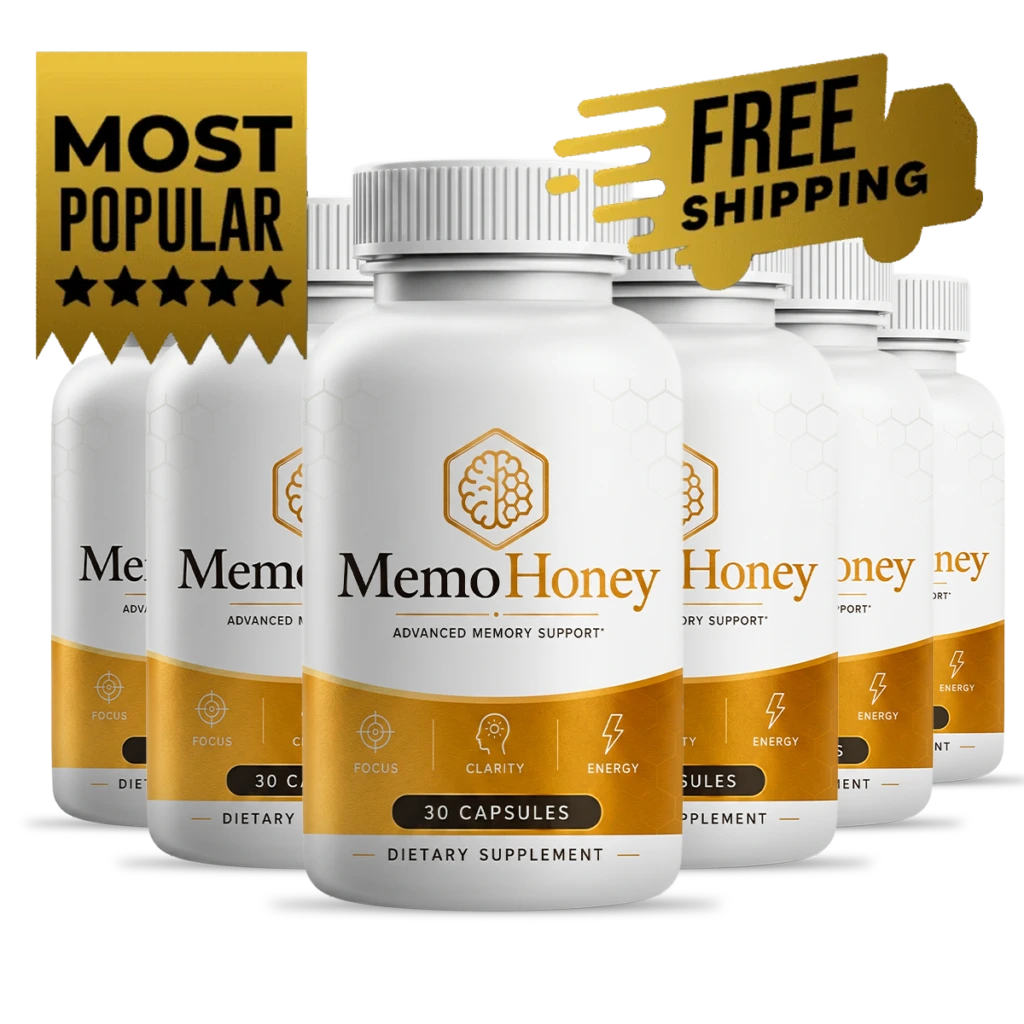
Beta-Alanine is associated with transient paresthesia at single doses exceeding approximately 3,000mg. MemoHoney's formulated dose remains well below this threshold. Consistent with the protective (rather than acute) nature of this mechanism, clinically meaningful benefit accrues over sustained use rather than a single administration.
Relevance across the adult lifespan
The cumulative burden of oxidative stress increases progressively with age as endogenous repair mechanisms become relatively less efficient at offsetting ongoing cellular damage. This creates a biological rationale for prioritizing protective mechanisms more heavily in formulations intended for older adult populations, though the underlying mechanism remains relevant across the adult lifespan rather than being exclusive to any single age group.
Integration with circulatory support mechanisms
Circulatory and protective mechanisms function complementarily rather than redundantly within the same formulation. Improved perfusion without adequate antioxidant protection leaves delivered substrate exposed to ongoing oxidative damage; protective capacity without adequate perfusion protects tissue that remains under-supplied. A formulation addressing both dimensions concurrently is therefore more comprehensive than one addressing either mechanism in isolation.
Six Nutrients, One Daily Capsule
Stimulant-free. Non-GMO. FDA-registered facility. 60-day guarantee.
View Pricing